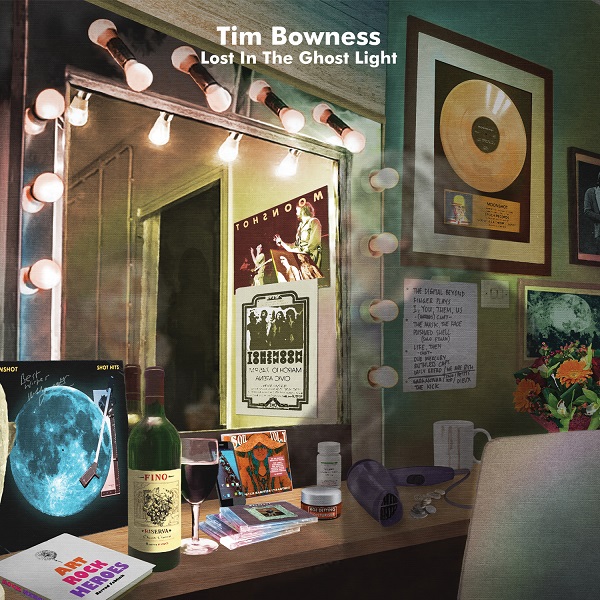
 Singer-songwriter Tim Bowness’ fourth solo album is an ambitious affair. It’s a concept album in which a fictitious 1970s classic rock musician reflects on his life and career, and covers themes of fame, ageing and the fear of being made irrelevant by younger and more vital acts. The album features an impressive supporting cast including Porcupine Tree’s Colin Edwin and The Pineapple Thief’s Bruce Soord as well as guest appearance from Kit Watkins and Jethro Tull’s Ian Anderson.
The first two numbers, “Worlds of Yesterday” and the lengthy “Moonshot Manchild” set the overall mood, dreamy and elegiac, Tim Bowness’ sometimes understated vocals set amidst rich keyboard-led arrangements with swirling Mellotron playing a significant role, flute fluttering in and out of the mix, and violin adding yet more colour. “Kill the Pain that’s Killing You” with its squalling guitars and skittering percussion is a change of pace, one song on the album that rocks out. The nine-minute “You’ll be the Silence” is suitably epic without descending into instrumental bombast, while the short but darkly atmospheric title track oozes foreboding. The album closes with “Distant Summers”, a distillation of many of the album’s strengths, and featuring Ian Anderson’s evocative flute solo over a wash of Mellotron; none more prog.
The fictional discography of Jeff Harrison of Moonshot references the iconic artwork of “Dark Side of the Moon” and “In the Court of the Crimson King”, and these are echoed in the music as well along with the more contemporary sounds of Porcupine Tree and latter-day Marillion. But more than anything else the album draws heavily from the sonic palette of the second half of the 1970s, an Indian Summer of progressive rock when the genre was losing the Zeitgeist but nevertheless produced some classic albums that have stood the test of time. This record is Tim Bowness’ homage to that era, and it’s as much about the gorgeous layered arrangements as it is about his excellent songwriting. It’s also an album that works as a continuous piece rather than just a collection of songs. Tim Bowness has done an superb job at evoking the spirit of a past era whilst framing it in a contemporary context.
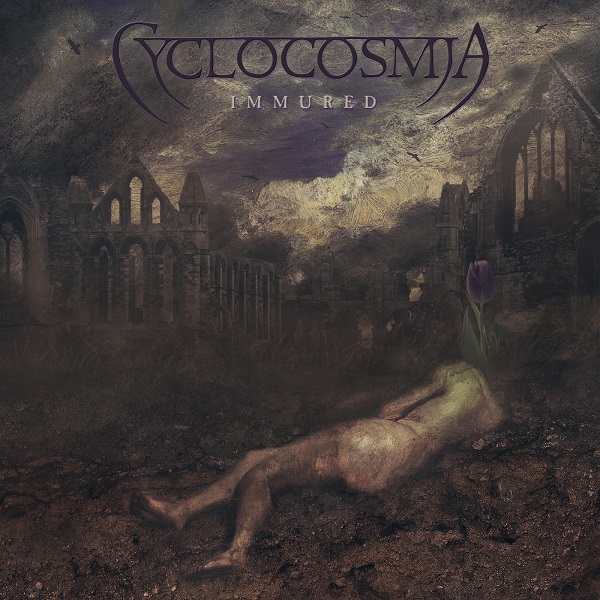 Following their début album “Deadwood”, Cyclocosmia’s EP “Immured” consists of a single seventeen-minute song telling the story the story of a Roman Vestal Virgin sentenced to live burial for breaking her vows of chastity, and features Greek singer Aliki Katriou who was attracted to the project by its feminist themes. Aliki Katriou sings all the clean vocals, and shares the extreme metal vocals with Cyclocosmia mainman James Scott, demonstrating her versatility as a singer.
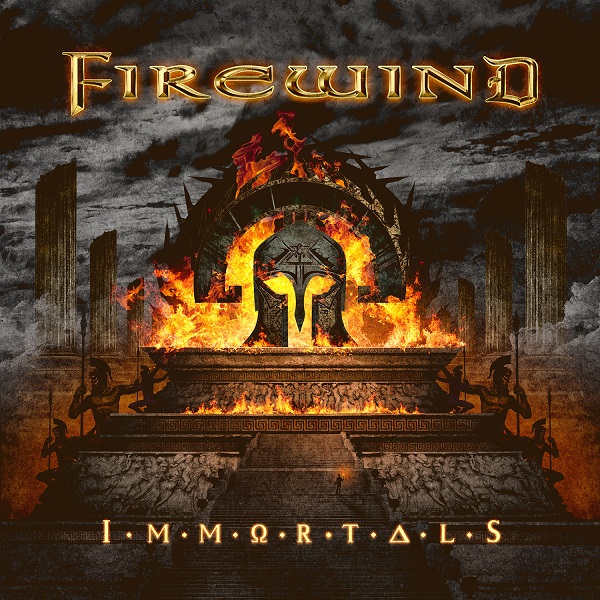 Power-metal can be a funny old sub-genre. With so many of the common tropes teetering on the edge of self-parody, some bands can easily end up on the wrong side of portentousness; Sonata Arctica, I’m looking at you. Others, most notably Scotland’s excellent Gloryhammer, avoid that fate by taking a deliberately tongue-in-cheek approach.
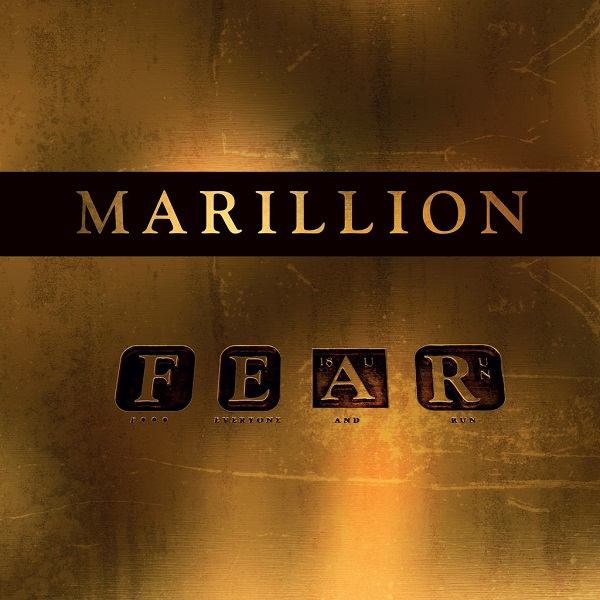
 The former Mostly Autumn lead singer’s second album of 2016 celebrates the semi-acoustic folk-rock side of her music, combining new songs with reworkings of older numbers, with arrangements emphasising flute and harp. There’s a beautiful cover of Sandy Denny’s “Winter Winds”, and the two new songs, especially the seasonal title track, are gorgeous.
 A live snapshot of the latest incarnation of the legendary progressive rock band from their 2015 tour with a setlist combining brand new material alongside classics from the 60s, 70s and beyond. The seven-piece band including Tony Levin, saxophonist Mel Collins and no fewer than three drummers creatively re-imagine the older material while remaining faithful to the spirit, and the largely instrumental new numbers are impressive too. A great document from a tour that was memorable for all the right reasons.
 Poland’s finest band released this ambient and largely electronic album to commemorate guitarist Piotr GrudziÅ„ski, who died suddenly and unexpectedly early in the year. It’s a compilation of remixes and previously-released bonus material complemented by four completely new tracks, At times the shimmering electronic arpeggios and electronic pulsings are to Tangerine Dream what Riverside’s more guitar-based music was to Porcupine Tree, but as always they’ve far more than copyists.
 This four track EP is first release by the new-look Touchstone with Aggie on vocals and Liam Holmes on keys. It’s a move away from the pared-back approach of “Oceans of Timeâ€, with big guitars and soaring vocal lines, but the sound is still clearly identifiable as Touchstone, and they’re sounding like a coherent band in what is clearly a new beginning for the band.
 After some rather turbulent times within the band, Crippled Black Phoenix bounce back very strongly with a powerful follow-up to 2014′s “White Light Generator”. Beginning with a track called “Dead Imperial Bastard”, Bronze is a dark, angry and very intense record that in places sounds like Swans jamming with Pink Floyd, filled with dense, boiling guitars and ominous electronic soundscapes. It’s the sort of record that leaves you exhausted by the time you reach the end.
 The Pineapple Thief have always represented the streamlined modern face of progressive rock, and this album is a distillation of the best elements of their sound. There are moments of fragile beauty, times when they rock out, and the whole thing flows seamlessly. The band have always drawn comparisons with Radiohead. But while “A Moon Shaped Pool” is a good album, “Your Wilderness” is a better one. But you have to wonder how many mainstream critics who put Radiohead high in their end-of-year lists have even heard “Your Wilderness”.
 Mikael Ã…kerfeldt and his band continue to draw deep from the well of 70s underground rock and reinvents the sounds for the 21st century with his legendary mastery of rock dynamics. The result is a record that invokes the spirit of that decade while sounding like something that could only have been made today. It goes from thunderous heaviness to the sort of sinister and cinematic atmospherics that recalls his Storm Corrosion collaboration with Steven Wilson. This is their best album since “Watershed” and despite the lack of death-metal growls, their heaviest since “Ghost Reveries”.
 The third studio album from the Russian duo comprising singer Marjana Semkina and classical pianist Gleb Kolyadin is one of those records that’s near-impossible to classify. Sometimes accompanied by a small chamber orchestra, sometimes with a rock rhythm section including Porcupine Tree’s Gavin Harrison and Colin Edwin, the result is a kaleidoscopic record of ever changing moods taking in rock, classical and even instrumental jazz. Comparisons between Marjana Semkina vocals and those of Kate Bush are entirely appropriate. This is a record that takes a few listens to fully appreciate since there’s so much to take in; you can keep hearing new things even after many listens.
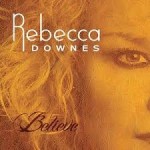 Deserved winner of Best Female Vocalist and Best Breakthrough Artist at the British Blues Awards, Rebecca Downes has a great voice, with range and power as well as emotional depth, equally at home with soulful ballads as belting out hard rockers. When combined with her talented backing band result is a hugely varied record, combining blues with hard rock, funk and soul.
 The band including Fish alumni Steve Vantis, Robin Boult and Dave Stewart deliver a hard-rocking album. The layered sound and powerful bass grooves recall Porcupine Tree and Steve Vantsis’ work with Fish.
 The fiendishly inventive Norwegian black metallers reign in the avant-garde experimentalism of 2013′s Das Seelenbrechen in favour of an album of more straightforward metal songs. But “straightforward” is a relative thing for a band like Ihsahn; there’s a lot of varied creativity on display here, balancing face-melting guitars with occasional moments of atmospheric beauty,
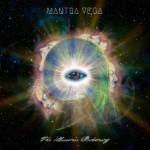 The collaboration between former Mostly Autumn singer Heather Findlay and Sound of Contact’s Dave Kerzner results in a record with a strong 70s vibe.
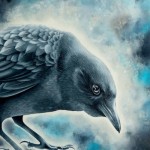 Big Big Train continue to be better than anyone else at invoking the spirit of 1970s English pastoral progressive rock. Again the lyrics are steeped in English landscapes and socio-economic history.